
"coffee plantation care"
2000 article(s) found

Taste description of Costa Rican Coffee Plantation Environment
The taste of Costa Rican coffee plantation environment describes the carefully selected coffee seeds were initially planted in flowerpots to be taken good care of, the seeds slowly germinated into seedlings. After a few weeks, the seedlings grow butterfly-like leaves. However, this is not a real coffee tree leaf. It takes two to three weeks for the real leaf to grow out of the protective leaf.

Ecuador Coffee Plantation Flavor Taste Introduction Hasenda Coffee Plantation
David Mino, a new champion barista from Ecuador, carefully prepared the original Ecuadorian coffee on site and led friends on the spot to enjoy a trip to Ecuador. From the surprisingly soft taste of Galpagos coffee, to the sour and bitter taste of LOJA in Ecuador, to the softer taste of Garpagos coffee and mouth

Honduran Sun-treated Coffee Beans Honduran Coffee Hand-brewed Grind Scale Brew Flavor Taste
Honduras has geographical conditions for coffee production that are no less favourable than those of neighboring coffee producing countries such as Guatemala and Nicaragua. There are 280,000 hectares of coffee plantations in Honduras, mainly small coffee plantations, most of which are less than 3.5 hectares. These coffee plantations account for the whole of Honduras

Hand-to-hand coffee baking skills for Panamanian Benjamin Manor No. 2 Rose Summer Coffee sharing _ Caf é Don Benjie
Professional coffee knowledge exchange more coffee bean information please follow the coffee workshop (Wechat official account cafe_style) Panamanian Coffee Manor-Benjamin Manor No. 2 Rose Summer Sun Elida Wilford R1-No.6: Lutrel Geisha brings you the Panamanian coffee bean Panama Don Benjie, from Boqu, the most famous coffee producing area in Panama.
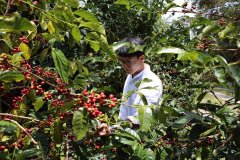
Guatemala Rose Summer Coffee Guatemala's most famous coffee plantation Incht Injerto White Stone Rose Summer
For the exchange of professional baristas, please follow the coffee workshop (Wechat official account cafe_style) Incht Injerto White Stone Rose Summer in Guatemala Incht (EL Injerto), the most famous coffee farm in Guatemala, produces two rose summer varieties, one is Panama Rose Summer, the other is Malawi Rose Summer. Panamanian rose summer seeds from the jadeite estate, after careful care, finally become
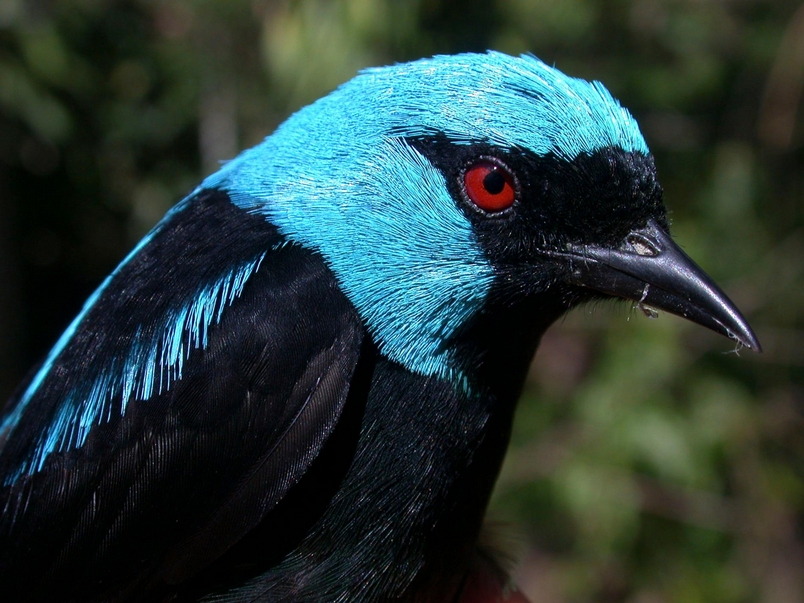
When you drink coffee, do you ever think about the homeless birds?
Professional Coffee knowledge Exchange more information on coffee beans Please follow the coffee workshop (Wechat official account cafe_style) many people need coffee every day, but may not realize that their favorite coffee affects the population of tropical birds. A rare study of more than 57,000 birds in Costa Rica on how coffee cultivation affects the biodiversity of tropical birds

Those declining coffee bean plantations
Editor's note: the world's most famous coffee shop, the use of coffee is carefully selected, there is a special attention. At present, many people like to make their own coffee, such as milk coffee, left-handed coffee and so on, which must be concerned about coffee beans. But do you know the growing base of coffee beans? Next, follow the editor to read the article! Haiti: a forgotten place

Aromatic Ethiopian coffee plantation with rich flavor. Flavor characteristics. Variety introduction.
Ethiopian coffee beans grow in a near-natural environment. After years of cultivation under the same growing conditions, Ethiopian coffee beans have gradually adapted to the environment here. More than 60% of coffee beans are forest or semi-forest grown coffee. Coffee farming villages produce about 35 percent of the country's coffee. Many of these are used.
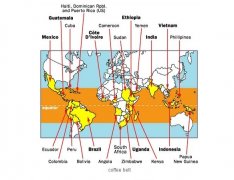
Where do good coffee beans come from? common sense of fine coffee.
Coffee trees need high altitude, tropical climate and fertile soil to grow the best coffee beans. Such climatic conditions on earth surround the equator, about 25 degrees north latitude to 30 degrees south latitude. In addition to location, there are many other factors that affect the quality of coffee: planting methods, soil fertility, weather, especially rainfall and light, and exact latitude.
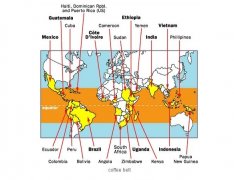
Where do coffee beans come from? The production zone of boutique coffee beans
Coffee trees need high altitude, tropical climate and fertile soil to grow the best coffee beans. Such climatic conditions on earth surround the equator, about 25 degrees north latitude to 30 degrees south latitude. In addition to location, there are many other factors that affect the quality of coffee: planting methods, soil fertility, weather, especially rainfall and light, and exact latitude.
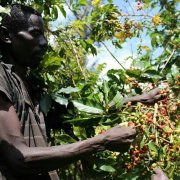
Does the growing environment of Daquan coffee affect the quality and flavor of coffee beans growing countries and producing areas in the world?
The ideal conditions for the growth of coffee trees all over the world are located in the equatorial zone between 25 degrees north latitude and 30 degrees south latitude, known as the bean belt. Fussy Arabica coffee grows best in high-altitude fertile soil, while healthier robusta coffee prefers higher temperatures and thrives on lower ground. What affects coffee?

Maruyama Coffee CSC Series El Salvador Sun treated Coffee beans introduction _ Luis Urrutia Manor
For more information on coffee beans, please follow the coffee workshop (Wechat official account cafe_style) El Salvador luis urrutia coffee Maruyama Coffee Roast CSC series El Salvador sun-treated coffee beans are located in El El Salvador in the center of Central America, one of the oldest coffee birthplaces in the world, rich in Bourbon.

Brazilian coffee beans grown on plantations Growing regions Flavor description Taste treatment Variety introduction
Brazilian coffee beans grown in plantations producing areas Flavor Description Taste Treatment Variety Introduction Plantation three ways, sun plantation, full shade plantation, half shade plantation. Plantations with more than 50 trees per hectare are full shade plantations;25-50 trees are half shade plantations, and 25 or less are sun plantations. The plantation shade of two neighbors with the same planting conditions

Introduction to Bolivian Coffee Plantation Snow Veins Plantation Coffee Production Area
Country: Bolivia, BoliviaProduction area: Yungas of La Paz Administrative town: Yanacahi Award-winning estate: Agrotakesi SA Estate owner: Mauricio Ramiro Diez de Medina Rank: No.1(2009 CoE champion) Farm area: 2,500 ha Coffee garden: 200 ha Altitude: 2100 m Certification: Organic (Ceser & USDA OR

Top boutique coffee from all over the world what is the difference between boutique coffee in different countries and regions
The ideal conditions for the growth of coffee trees can be found all over the world, located in the equatorial zone between 25 degrees north latitude and 30 degrees south latitude, known as the bean belt. Fussy Arabica coffee grows best in high-altitude fertile soil, while healthier robusta coffee prefers higher temperatures and thrives on lower ground. From the species of plants, the chemical composition of soil,

Where is the world's best coffee produced? what's the difference in the taste of all kinds of coffee?
The ideal conditions for the growth of coffee trees can be found all over the world, located in the equatorial zone between 25 degrees north latitude and 30 degrees south latitude, known as the bean belt. Fussy Arabica coffee grows best in high-altitude fertile soil, while healthier robusta coffee prefers higher temperatures and thrives on lower ground. From the species of plants, the chemical composition of soil,

Hawaiian coffee bean processing, characteristics of Hawaiian coffee
Follow the caf é (official Wechat account vdailycom) and found that the Beautiful Cafe has opened a small shop of its own, located in the southernmost area of Cau on the Big Island of Hawaii, and is the largest and most remote coffee farmer in Hawaii.

Fresh and bright taste Ethiopian coffee plantation flavor Taste characteristics Variety introduction
Ethiopia is the birthplace of the famous Arabica coffee beans, and people have maintained the tradition of harvesting wild coffee beans. The coffee garden with an altitude of more than 1500 meters has formed a unique coffee terroir after more than a thousand years of evolution and adaptation. Ethiopian coffee grown in the natural wild environment is called wilderness coffee and retains the most primitive coffee beans.

Good average quality; aromatic and full-bodied Ethiopian coffee plantation taste characteristics
Ethiopian coffee beans grow in a near-natural environment. After years of cultivation under the same growing conditions, Ethiopian coffee beans have gradually adapted to the environment here. More than 60% of coffee beans are forest or semi-forest grown coffee. Coffee farming villages produce about 35 percent of the country's coffee.

Ethiopian Coffee Manor Flavor Description Grind Treatment Price Taste Introduction
Currently, about 25 percent of Ethiopia's population depends directly or indirectly on coffee production for their livelihood. Farmers using traditional farming methods predominate. Artificial care of coffee trees, use organic fertilizer, do not use harmful pesticides and herbicides, etc. Most of the coffee produced in Ethiopia is organic. Coffee can be classified as Forest or Semi-Forest Coffee due to different cultivation methods.